2026-10-10
Bug testing, literally: a spider in the smart fan
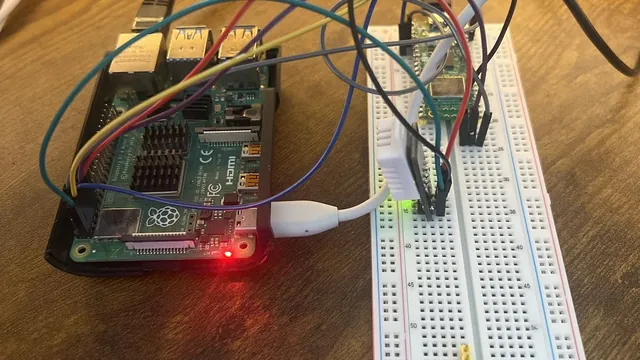
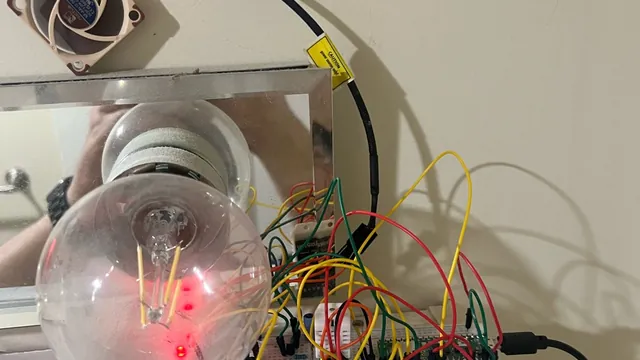
My homemade bathroom fan stalled twice one morning. When I unplugged it, a spider crawled out. The fan has run slower ever since. This is what its own telemetry recorded.
Home-lab infrastructure, AI-driven automation, and full-stack projects — what I'm building, what broke, and what I learned fixing it.
My homemade bathroom fan stalled twice one morning. When I unplugged it, a spider crawled out. The fan has run slower ever since. This is what its own telemetry recorded.
Chips talk to each other over tiny wires, millions of times a second, and you cannot see any of it. So I spent an afternoon turning a five-dollar microcontroller into an instrument that can — and found out my I2C bus runs at less than half the speed it claims.
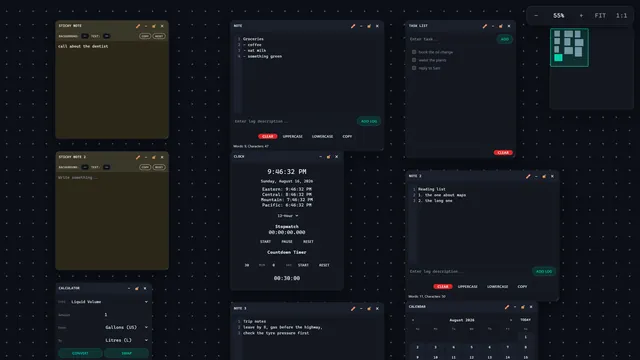
CB App is one HTML file with no server, no account and no network — a scratchpad that keeps everything on the machine it is open on. A year and a few dozen releases later it finally works on a phone and a tablet, without giving up the thing that made it worth using.
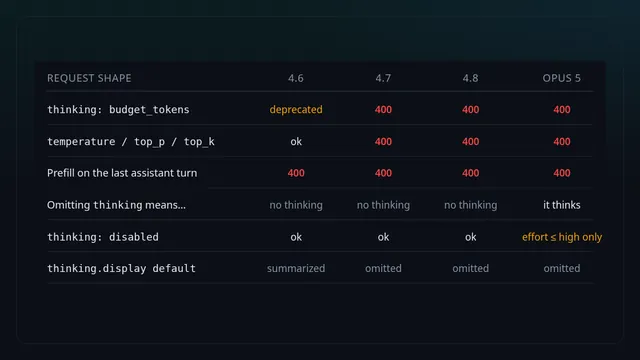
I prompted Claude Opus 5 to research how prompting Opus has changed since 4.6, audit my own prompt library against it, and write up the findings. It found parameters that now return 400s, a token budget that fails silently, and advice that reversed direction between generations.
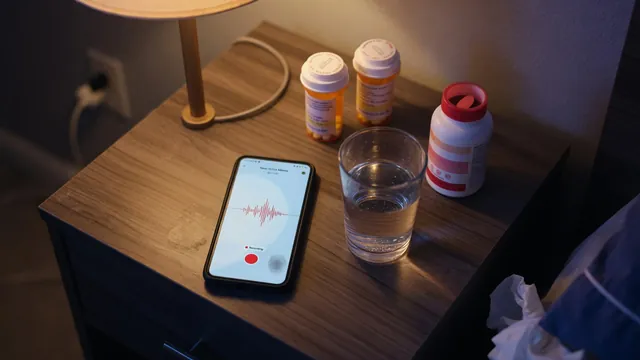
I was diagnosed with hemiplegic migraines in 2012. This is the story I finally sat down and recorded — the stroke-like attacks, a head injury at sixteen, and the fourteen years it took me to find my single biggest trigger hiding in plain sight: Red 40.
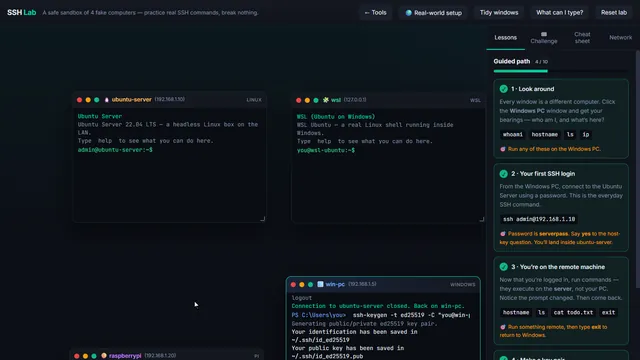
Four fake computers in a browser tab — practice real ssh, ssh-keygen, scp and ~/.ssh/config without touching a real machine. Plus the copy-paste setup guide I kept re-Googling.
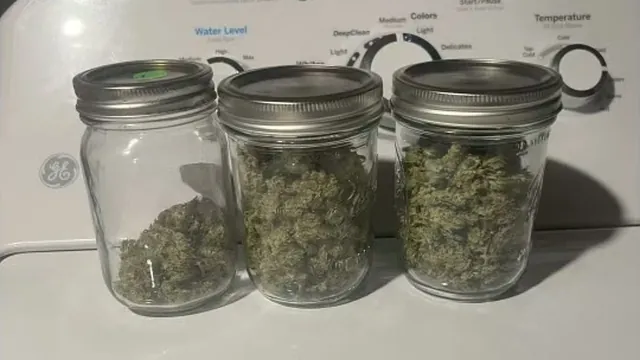
Four months of my first grow — germination to cured jars — compressed into a three-minute timelapse, stitched from the tent camera that watched the whole thing.
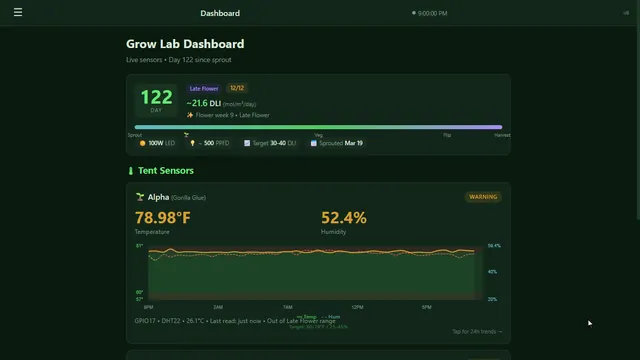
My first time growing a plant, so — naturally — I built it a self-hosted Raspberry Pi dashboard: sensors, VPD, a daily journal with AI photo analysis. The Pi's coming down, so I froze the whole thing into a browsable demo.
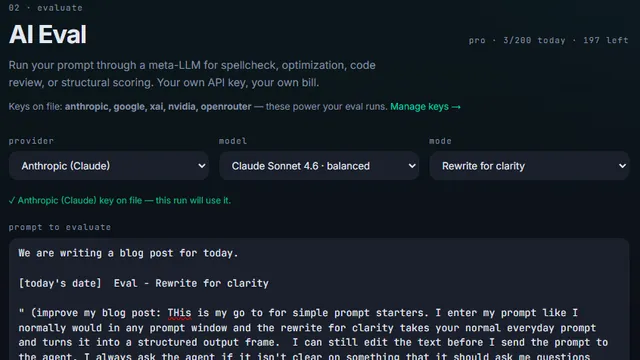
How I use Prompt Composer's Eval "Rewrite for clarity" mode to turn a messy, typed-as-I-think prompt into a clean structured frame — before/after screenshots and the one rule I never skip.
An early two-minute screen recording of the Prompt Composer — building a structured prompt from blank frame to finished, copyable output.
The model is rarely your bottleneck — your prompt is. Why composing prompts as reproducible artifacts, not throwaway chats, is the skill that scales your work.
A year of sloppy prompts taught me the model is rarely the problem — the framing is. What changed, and the composer it turned into.